
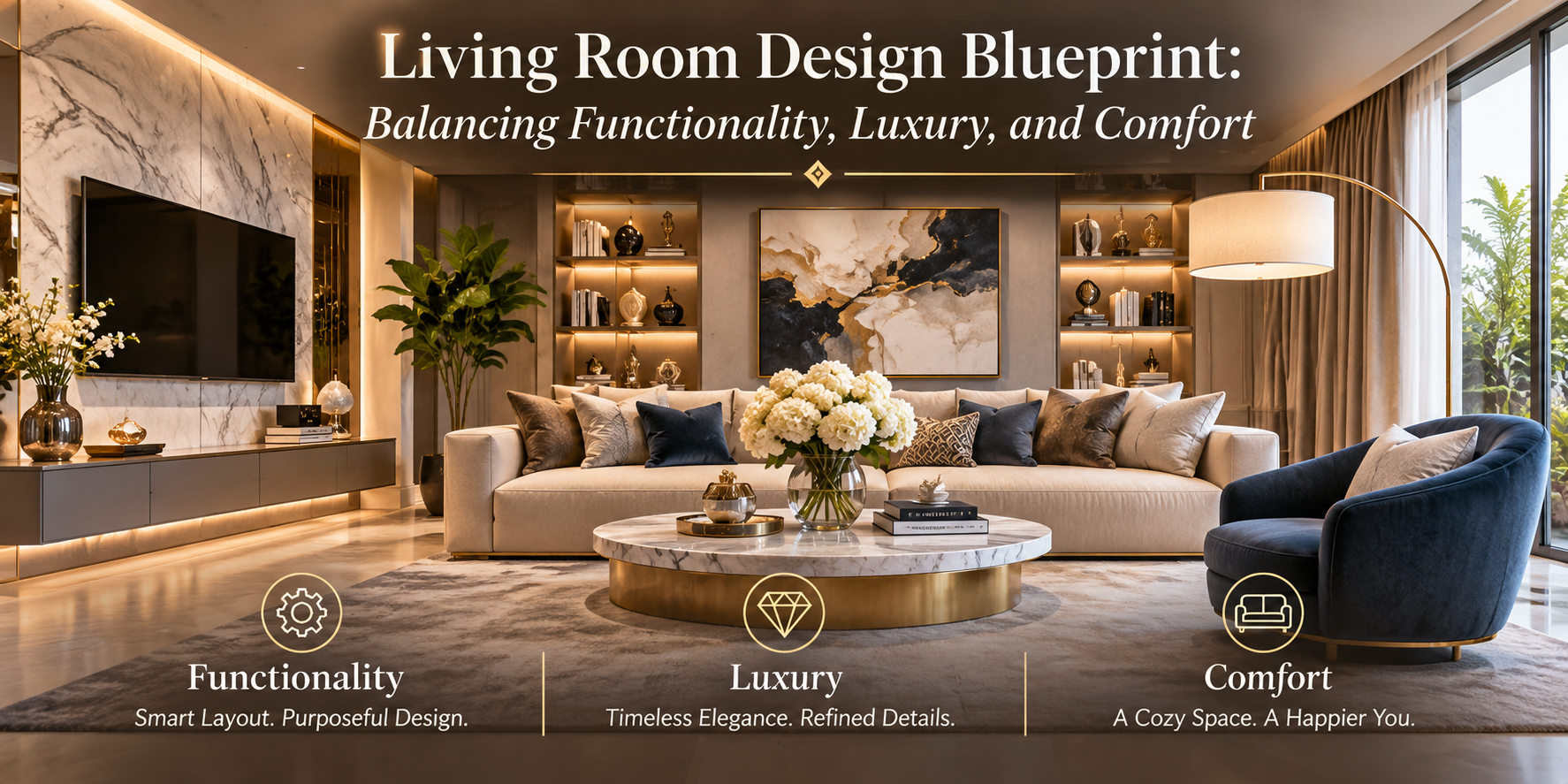
Your living room is where slow mornings begin, guests gather, and busy days wind down with a favourite show. Yet many homeowners struggle to make this space look elegant without losing everyday ease. It is having a clear plan. This blueprint shows how to blend practicality, refined style, and softness, so your room feels polished and still welcomes you home each evening.
Define How Your Family Actually Uses the Space
Before choosing a sofa or a paint shade, observe your routine for a week. A room built for a family of five works very differently from one designed for a couple who loves hosting. Ask yourself:
- Who uses the room most, and at what times of day?
- Is it mainly for TV, reading, entertaining, or working from home?
- How many people need to sit comfortably at once?
- Do children or pets share the space?
Writing down these answers gives every later decision a purpose. It also prevents costly impulse purchases that look lovely in a showroom but fail at home.
Functional Living Room Design Starts With Smart Layout
A functional living room interior design depends on flow. Leave about 90 cm for walkways and roughly 45 cm between the sofa and coffee table. Floating furniture away from the walls, when space allows, creates natural conversation zones and makes the room feel larger.
- Anchor the room with one focal point, such as a fireplace, window, or media wall
- Choose multipurpose pieces like storage ottomans and nesting tables
- Use closed storage to hide remotes, toys, and everyday clutter
- Arrange seating so people face each other, not only the television
Modern Living Room Design Essentials
Modern living room design is built on restraint. Clean lines, clear surfaces, and a calm palette allow a few strong pieces to stand out. Think low-profile sofas, slim metal legs, and windows dressed lightly so daylight does the decorating. This style also suits busy households, because fewer objects mean faster cleaning.
- Stick to two or three core colours plus one accent shade
- Pick furniture with simple silhouettes and visible legs
- Hang one statement artwork rather than many small frames
- Blend natural materials such as oak, linen, and stone
Luxury Living Room Design Is About Quality, Not Quantity
Luxury living room design rarely means adding more. It means choosing better. A single velvet sofa, a marble-topped table, or a hand-knotted rug can lift the entire room when everything around it stays quiet and balanced. Spend where you touch and see daily, and save on accessories you can swap later.
- Invest first in the sofa, rug, and lighting, since they define the room
- Use rich textures like velvet, silk blends, and brushed brass
- Hang tailored curtains high and wide to make walls look taller
- Add panelling or custom joinery for architectural depth
Comfortable Living Room Ideas That Make People Stay
Comfort is both physical and emotional. Seat depth, cushion fill, and fabric all matter, but so does the feeling of warmth the room gives off. Always sit on a sofa for ten minutes before buying it, because showroom photos cannot tell you how it supports your back. These comfortable living room ideas are simple to apply:
- Choose a seat depth of 55 to 60 cm for relaxed lounging
- Layer throws and cushions in varied textures
- Place a plush rug underfoot, especially in colder months
- Add a reading chair with a side table within easy reach
- Select performance fabrics that handle spills and daily wear
Layer Your Lighting for Mood and Utility
One ceiling light cannot do everything. Combine three layers, and the room adapts from breakfast to bedtime without any effort from you.
- Task: floor and table lamps beside reading spots
- Accent: wall washers or LED strips that highlight art and shelves
Install dimmers and choose warm bulbs around 2700K for a gentle glow. Natural light matters just as much, so keep window treatments sheer and avoid blocking sunny corners with bulky furniture.
Colour, Texture, and Styling Details
A thoughtful Living Room interior Design balances three elements: colour, texture, and scale. Neutral walls create a flexible backdrop, while texture adds richness without visual noise. Once the big pieces are in place, styling is where your personality enters.
- Follow the 60-30-10 rule for colour distribution
- Mix matte, glossy, and woven surfaces
- Vary furniture heights to keep the eye moving
- Style shelves in odd-numbered groupings
- Bring in indoor plants for freshness and life
A mirror placed opposite a window also bounces light around and makes compact rooms feel more open.
Common Mistakes to Avoid
Even beautiful rooms can disappoint when the basics are overlooked. Watch out for these frequent errors:
- Buying furniture too large for the room
- Pushing every piece against the walls
- Ignoring storage until clutter takes over
- Following trends instead of personal taste
- Hanging art too high; centre it near 145 cm from the floor
Treat this blueprint as a checklist. When function, luxury, and comfort receive equal attention, Living Room interior Design becomes less about decoration and more about creating a space that genuinely supports your life.
Frequently Asked Questions
1. What is the ideal layout for a living room?
Arrange seating around one focal point, keep 90 cm walkways, and leave 45 cm between sofa and coffee table. This creates comfortable conversation zones and smooth movement throughout the room.
2. How do I make a living room look luxurious on a budget?
Focus on quality textiles, layered lighting, and tailored curtains. Add a statement mirror, keep colours cohesive, and declutter surfaces. Small premium touches create a high-end impression without large spending.
3. Which colours work best for a modern living room?
Warm whites, soft greys, greige, and muted earth tones work well. Add one bold accent through cushions or art, so the palette feels calm yet personal.
4. How can I add comfort without cluttering the room?
Choose deep, supportive seating, a soft rug, and two or three quality throws. Use storage ottomans to hide extras, keeping the space cosy but tidy.
5. What size rug suits a living room?
Pick a rug large enough for at least the front legs of all seating to rest on it. Typically, that means 8×10 feet in medium rooms.
6. How many light sources should a living room have?
Aim for at least three to five sources across ambient, task, and accent layers. Add dimmers so the lighting adapts to reading, entertaining, or relaxing.
7. Can a small living room feel luxurious?
Yes. Use light colours, large mirrors, slim-legged furniture, and vertical storage. Choose fewer, higher-quality pieces so the room feels curated and spacious rather than crowded.
8. What fabrics are best for family-friendly sofas?
Performance fabrics, tightly woven polyester blends, microfibre, and treated linen resist stains and wear. Look for removable, washable covers if children or pets use the sofa often.
9. How high should I hang artwork?
Hang artwork so its centre sits about 145 cm from the floor. When placing it above furniture, leave roughly 15 to 20 cm between the frame and the piece.
10. How often should I refresh my living room decor?
Refresh accessories like cushions, throws, and art every season or year. Replace major furniture only when comfort or condition declines, so your core design stays timeless.
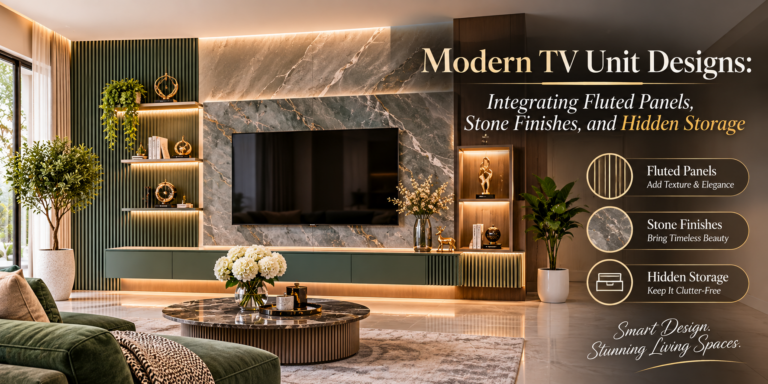
[…] light, and structure. Before you pick finishes, think about how the wall fits into your overall Living Room Design Blueprint. Consider where people sit, where daylight falls, and how much storage your family really needs. […]